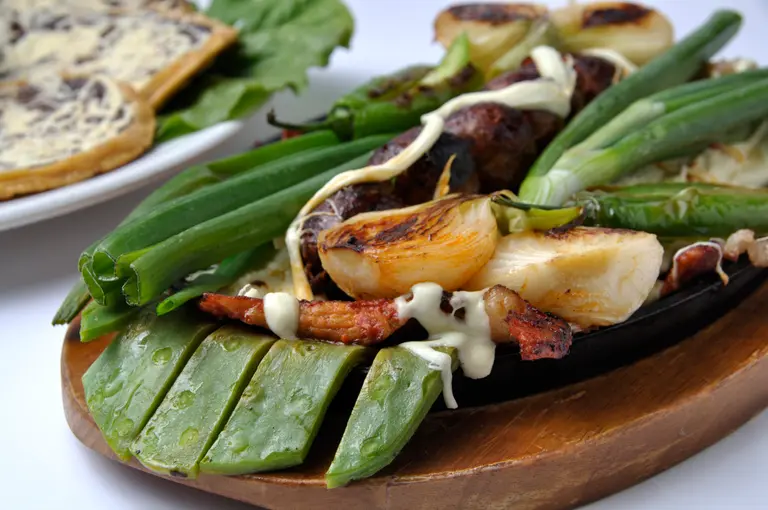
Avoid Slimy Nopales: 2 Pro Tips for Perfect Texture Every Time
Nopales, the vibrant pads of the prickly pear cactus, are a culinary cornerstone in Mexican cuisine, celebrated not only for their unique flavor but also for their impressive nutritional profile. Packed with fiber, essential vitamins, and vital minerals, these versatile greens are a fresh, healthy addition to countless dishes, from hearty soups and crisp salads to savory main courses and delightful snacks. However, for many home cooks, the thought of preparing nopales comes with a common apprehension: the dreaded sliminess. If you've ever found your perfectly planned meal compromised by a gooey texture, you're not alone. The challenge of como cocinar nopales without them turning "babosos" (slimy) is a well-known hurdle.
Fortunately, mastering the art of cooking nopales to achieve that ideal, firm-yet-tender texture is entirely achievable. Forget those unappetizing, slimy mishaps! We're here to arm you with two incredibly effective, chef-approved techniques that will transform your nopales dishes and ensure they are always a delightful culinary experience. Get ready to embrace the full potential of this incredible superfood, free from any textural surprises.
The Nutritional Powerhouse: Why Nopales Deserve a Spot on Your Plate
Before diving into the cooking techniques, it's worth reiterating just how beneficial nopales are. Officially recognized by the Mexican government for their health properties, these cactus pads offer a plethora of advantages:
- Diabetes Control: Nopales are known to help regulate blood sugar levels, making them a valuable food for individuals managing diabetes.
- Cholesterol Management: Their high fiber content plays a significant role in lowering bad cholesterol (LDL) and improving overall heart health.
- Weight Management: Being low in calories and high in fiber, nopales promote a feeling of fullness, aiding in appetite control and weight loss efforts. This makes them a frequent feature in various dietary plans.
- Antibacterial Properties: Research suggests nopales can inhibit or slow the growth of several bacterial species, contributing to gut health and overall immunity.
- Rich in Nutrients: Beyond fiber, they are a good source of Vitamin C, Calcium, Magnesium, and other antioxidants, supporting bone health, immune function, and protecting against cellular damage.
Given these incredible benefits, it's clear why learning como cocinar nopales correctly is essential. Whether grilled, baked, fried, or boiled, unlocking their texture is key to integrating them seamlessly into your diet.
The Slimy Truth: Understanding Nopales' Unique Texture
The "slime" in nopales, often referred to as mucilage, is a natural polysaccharide gel. It's a protective mechanism for the plant, helping it retain water in arid environments. While beneficial for the cactus, this mucilage can be less than appealing on the plate. When nopales are simply boiled without proper preparation, this gel can release and create an overly viscous, sometimes unappetizing, consistency. The goal of effective nopales preparation is to mitigate this release, ensuring the cactus remains firm and fresh-tasting.
While nopales lend themselves beautifully to various cooking methods like grilling or baking where sliminess is less of an issue, boiling them presents the greatest challenge. However, boiling is often the preferred method for recipes requiring diced or tender nopales for stews, salads, or fillings. That's where our two pro tips come in.
Say Goodbye to Slime: 2 Proven Techniques for Perfect Nopales
These two methods are tried-and-true solutions for achieving perfectly textured nopales every time. They focus on drawing out or setting the mucilage before it can ruin your dish.
Tip 1: The Transformative Salt Bath
This technique leverages the power of osmosis to naturally draw out the mucilage from the nopales. It's a gentle yet highly effective method that many experienced cooks swear by.
- Preparation: Begin by carefully cleaning your fresh nopales, removing any spines and tough edges. Then, cut them into your desired shapes – be it strips, cubes, or small squares – keeping consistency in mind for even treatment.
- The Salty Soak: Place the cut nopales into a large bowl. Cover them generously with water, and then add a substantial amount of salt. We're talking more than just a pinch; a good rule of thumb is about 1 tablespoon of coarse sea salt or kosher salt per 2 cups of water, though you can adjust slightly based on the quantity of nopales. The water should feel noticeably salty to the touch.
- Rest and Extract: Let the nopales sit submerged in this salty water for approximately 30 minutes. During this time, the salt will work its magic, drawing out the mucilage from the cactus pads. You might even notice the water becoming slightly cloudy or foamy as the slime extracts.
- Rinse Thoroughly: After 30 minutes, drain the nopales thoroughly in a colander. This step is crucial. Rinse them very well under cold running water, tossing them as you rinse, to remove all traces of salt and the extracted mucilage. Taste a small piece if unsure – it should not be overly salty. This rinsing ensures your final dish won't be seasoned purely by the residual salt from the bath.
Once rinsed, your nopales are ready for your recipe, boasting a firm texture without any unwanted sliminess. This method is excellent for preserving a slightly fresher flavor profile, as the nopales aren't subjected to an immediate high-heat cook.
Tip 2: The Quick Boil Method
The second technique uses a brief initial boil to "cook off" and eliminate a significant portion of the mucilage. This is a rapid and efficient method, especially useful when you're short on time.
- Boiling Water Prep: Fill a medium to large pot with water and bring it to a rolling boil over high heat. The volume of water should be enough to completely submerge your nopales.
- Add Nopales: Carefully add your pre-cut nopales (cleaned and de-spined) to the vigorously boiling water. Make sure they are fully immersed.
- Brief Boil: Allow the nopales to boil for just 5 to 10 minutes. This short burst of high heat is sufficient to break down and release much of the mucilage without overcooking the nopales themselves. You will likely see foam forming on the surface of the water; this is the mucilage releasing. Skim off any excessive foam if desired.
- Drain and Rinse: Promptly drain the nopales through a colander. Immediately rinse them thoroughly under cold running water. The cold water stops the cooking process and helps wash away any remaining surface mucilage, ensuring a clean texture.
Similar to the salt bath method, after this initial boil and rinse, your nopales will be ready for further cooking in your favorite dishes, free of sliminess. This method often results in a slightly softer texture than the salt bath but is equally effective in eliminating the unwanted goo.
Beyond the Boil: Creative Ways to Enjoy Your Perfectly Cooked Nopales
With your nopales now perfectly textured, the culinary possibilities are endless! Their mild, slightly tart flavor makes them incredibly versatile. Here are just a few ideas for how to integrate your de-slimed nopales into your meals:
- Ensalada de Nopales: A classic Mexican salad featuring cooked nopales, tomatoes, onions, cilantro, and queso fresco, often dressed with a simple vinaigrette.
- Nopales con Huevo: Sauté them with scrambled eggs for a nutritious and traditional breakfast or brunch.
- Tacos and Tostadas: Use them as a filling or topping for tacos, quesadillas, or tostadas, often paired with meat or beans.
- Stews and Soups: Incorporate them into hearty stews like pork and nopales in chile verde, or add them to chicken broth-based soups for added texture and nutrients.
- Grilled Nopales: While these methods are for boiling, don't forget that perfectly de-slimed nopales can also be marinated and grilled for a smoky, tender side dish or vegetarian main.
- Botanas (Snacks): Serve them simply marinated as a refreshing appetizer.
Learning como cocinar nopales is truly a gateway to a world of delicious and healthy Mexican cuisine. Don't limit yourself – experiment with their unique flavor and texture!
Maximizing Your Nopales Experience: Freshness and Storage
To ensure you start with the best possible ingredients for your perfectly de-slimed nopales, it's crucial to select and store them correctly. Freshness is key to both flavor and texture. When shopping, look for vibrant green pads that are firm to the touch, without any yellowing, soft spots, or excessive scarring. Interestingly, opting for pads that still have their spines (which you'll carefully remove at home) can actually help prevent oxidation and prolong their freshness.
Once home, proper storage can significantly extend their shelf life. While some people store them in bags, for optimal preservation, place them in a container or basket with perforations. This allows for air circulation, which is vital. Store them in the refrigerator, ideally at a temperature no lower than 5°C (41°F), as colder temperatures can cause spotting and degrade quality. Stored this way, fresh nopales can remain in excellent condition for up to 35 days! For more detailed insights into keeping your nopales fresh for longer, explore our comprehensive guide on Nopales Fresh for Weeks: The Ultimate Storage Guide.
Conclusion
Nopales are a nutritional powerhouse and a versatile ingredient that deserves a prominent place in any healthy kitchen. The fear of their natural sliminess should never deter you from enjoying their many benefits and delicious flavor. By implementing these two simple yet highly effective techniques – the transformative salt bath or the quick boil method – you can confidently prepare nopales with the perfect, firm texture every single time. So, the next time you're wondering como cocinar nopales, remember these tips, gather your ingredients, and prepare to elevate your culinary creations with this incredible, vibrant vegetable.